Creating Lovable Underdog Characters: Lessons from "The Asphalt Buccaneers"
Simple Writing Tips from a Story about a BanStreet Performing Pirates Who Think They're Pirates

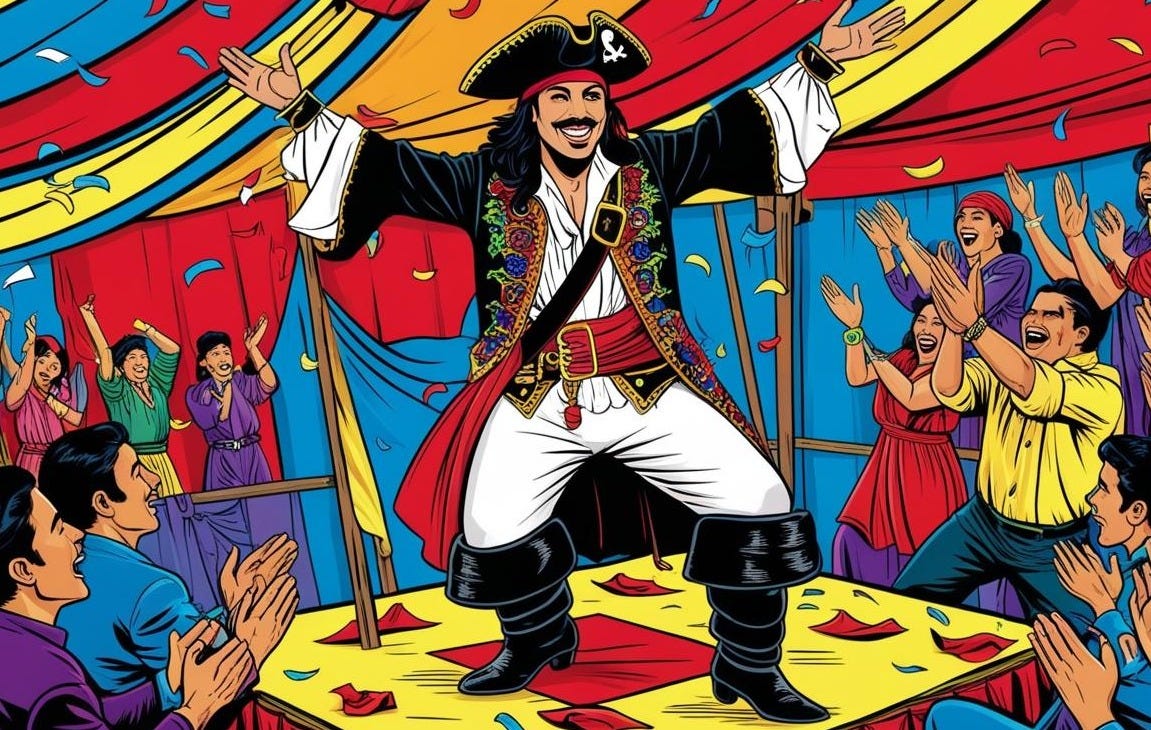
Hey there, fellow writers! Daniel P. Douglas here.
If you've ever wondered how to make readers love your characters, especially those delightful underdogs who don't have it all together, I've got some tips to share! I recently wrote a short story called "The Asphalt Buccaneers" about a ragtag crew of street performing pirates. You can read the full story here.
Today, I want to share what I learned while creating these characters and how you can use these ideas in your own writing. So grab your coffee (or treasure chest of grog) and let's dive in!
Why We Love Underdogs
Think about your favorite stories. Chances are, many of them feature characters who start at a disadvantage. Harry Potter lived under the stairs. The Karate Kid was the new kid getting bullied. We naturally root for people who have to overcome big challenges.
In "The Asphalt Buccaneers," I created Captain "Spectacular Steve" Sullivan and his crew—street performers with a rusty minivan, cheap costumes, and dreams bigger than their bank accounts. They're up against a corporate-backed crew with drones, special effects, and real dancers.
Why do readers care what happens to my budget pirates? Because underdogs make us feel hopeful. If they can win despite the odds, maybe we can too!
Creating Characters People Care About
Here's what worked for me when creating my pirate crew:
1. Give Each Character a Special Thing
Every member of your underdog team needs something that makes them unique:
Captain Steve has his over-the-top pirate talk and unwavering optimism
First Mate Penelope has her theater degree and practical outlook
Navigator Guiomar is superstitious and always checking apps
Jamie (the Cabin Boy) seems useless but has hidden talents
When each character brings something different, they feel real. Think about your friend group—everyone has their "thing," right?
2. Make Their Flaws into Secret Weapons
My street performers aren't perfect. They're disorganized, broke, and their van breaks down. But here's the trick—turn those weaknesses into strengths!
When the high-tech equipment of their rivals fails, the Buccaneers' experience with disaster makes them perfect for handling chaos. As I wrote:
"Technical difficulties, me hearties!" Captain Steve called out. "But fear not – the Asphalt Buccaneers specialize in navigating treacherous waters!"
What seems like a weakness early in your story can become a superpower by the end!
3. Show Why They Do What They Do
People connect with characters who have clear reasons for their actions. In my story, Captain Steve reveals why he became a performer:
"I was eight at the county fair," he said. "A magician picked me from the crowd. Made a silver dollar appear from behind my ear. It wasn't the trick that got me – I could see how he did it. It was how he made me feel. Like I was part of something magical, even if we both knew it wasn't real magic."
This moment changes him from a silly character to someone with heart. Give your characters these moments of truth!
Making Humor Work for You
My story is meant to be funny, but humor does more than make people laugh—it helps readers bond with your characters.
Use Funny Talk That Fits the Character
Captain Steve talks like a pirate even though he's driving a minivan in the city. This mismatch is funny, but it also shows who he is—someone who fully commits to his dreams:
"Swab the anchors and raise the poop deck, ye scurvy dogs!" Captain Steve bellowed as he parked illegally in a loading zone.
The way your characters talk should show their personality. Would your character use big words or slang? Do they interrupt or speak carefully? These choices reveal who they are.
Create Funny Situations That Test Your Characters
I put my pirates in situations where their pirate approach clashes with the modern world. When planning their big performance:
Their rehearsals occurred in Navigator Guiomar's uncle's garage, a space just large enough for the desperate performers practicing what First Mate Penelope termed "choreographed chaos."
Think about how your characters' quirks might create naturally funny situations.
Building a Story That Works
Creating great characters is just part of the battle. You also need a story where they can shine!
1. Give Them a Clear Goal
My pirates want to win the street performance competition to get a permit for the best spot in the city. This goal is:
Easy to understand
Important to the characters
Something readers can picture happening
Make sure your readers know exactly what your underdogs are trying to achieve.
2. Put Real Obstacles in Their Way
Your characters need problems that feel like they might actually lose:
My pirates face competitors with better equipment and money
Their van breaks down
Their rehearsal space gets soaked
The more we worry about characters, the more we care when they overcome these challenges!
3. Let Them Win on Their Own Terms
The most satisfying ending isn't when underdogs suddenly become perfect—it's when they win by being themselves.
My pirates don't suddenly get fancy technology. Instead, they tell their own story and adapt when things go wrong. Their victory feels earned because it comes from who they are, not from luck or outside help.
The Heart of the Story
The secret ingredient in any good underdog story is heart. For "The Asphalt Buccaneers," that meant showing that success isn't about having the fanciest equipment—it's about connecting with people.
When you write your own stories, ask yourself: What deeper truth am I trying to share? In a funny pirate story, I wanted to show that authentic human connection beats perfect technology every time.
Your Turn to Set Sail!
Now I'd love to hear from you! What underdog characters are you working on? What challenges do they face? Share in the comments, and let's help each other create characters readers will cheer for!
And don't forget to read "The Asphalt Buccaneers" for yourself at https://blog.reedsy.com/short-story/89i627/ if you want to see these tips in action.
Until next time, keep your creativity flowing and your characters quirky!
Daniel P. Douglas
Like this article? Subscribe to my Substack for more writing tips, story breakdowns, and behind-the-scenes looks at my creative process!