A Writing Autopsy: Dissecting “Digesting Darkness”
A No-BS Breakdown of My Short Story, "Digesting Darkness," And Why It Worked

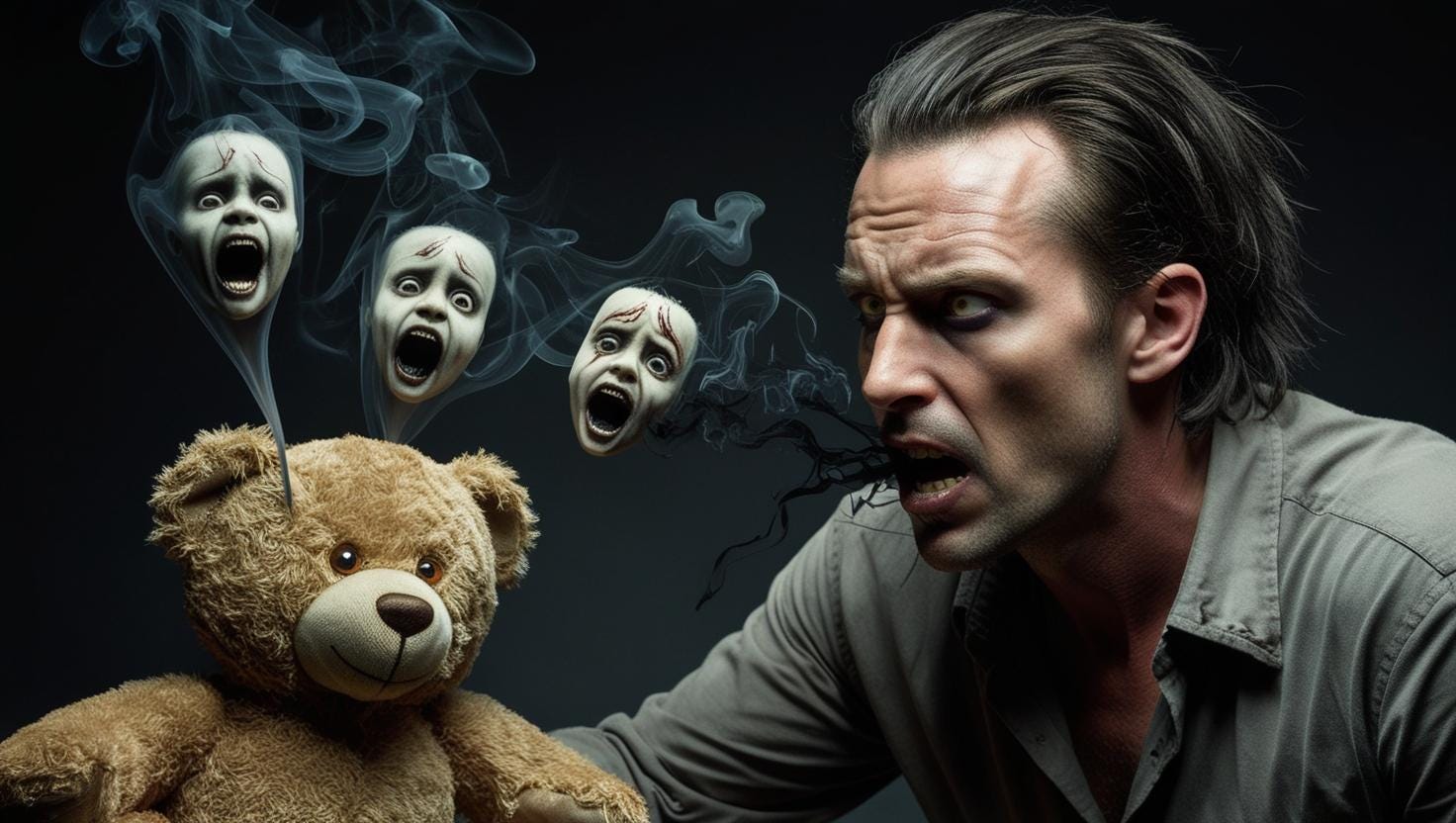
Look, I'm gonna level with you. When I wrote "Digesting Darkness," I thought I was writing straight horror. Guy eats grief. Dead people possess him. Nightmare fuel.
Turns out I wrote something much more.
The story won Reedsy's writing contest last week, and I'm still trying to figure out how I did that. So, let's rip this thing apart together and see why a story about eating emotions hit harder than I expected.
The Opening That Punched People in the Face
"THE FIRST TIME I ate someone's grief, it was an accident."
That's it. That's how I started. No weather. No waking up. No looking in mirrors. Just BAM - we're eating grief now, keep up.
Here's the thing: a lot of writers (myself included) sometimes waste the first three paragraphs warming up. It's like stretching before a fight when someone's already swinging at you.
Forget that. Hit first. Hit weird. Make them need to know what happens next.
Real talk: Your first line is a promise. Make it so bizarre that breaking that promise would be criminal.
Building the Nightmare Brick by Brick
I didn't dump all the horror at once like some amateur with a bucket of blood. Nah. I played the long game.
First, eating grief is just weird. Then it's a business. Then it's an addiction. Then—only then—do the dead people take over main character’s body.
See what I did there? I took you from "that's odd" to "oh crap" one step at a time. Like boiling a frog. Except the frog is your sense of safety and the water is existential dread.
The protagonist's worst nightmare—being trapped in his body while something else drives—that wasn't random. I planted that fear early. Watered it with anxiety. Let it grow until it bloomed into full-blown possession.
Writing lesson: Don't blow all your horror in act one. Build it. Nurture it. Let it fester.
The Part Where I Got Too Real
Here's where things got uncomfortable. I made grief-eating a business:
Parents: $1,000
Siblings: $500
Grandparents: $250
Pets: $100 flat rate
Yeah, I put price tags on pain. Made the protagonist the Uber of emotional trauma.
Know what's messed up? We already do this. Therapy, life coaches, meditation apps, self-help books—we're all trying to pay someone to take our hurt away.
I just made it literal. And apparently, that hit different.
Truth bomb: Your best metaphors are the ones that make people go "wait, that's actually how it is though."
What the Contest’s Judge Said:
Contest judge Venus Wambura said this about the story:
"Such a quietly powerful piece! The concept of literally 'eating grief' pulled me in right away—it was so strange that I couldn't imagine where this story would go. But it became a brilliant and moving way of exploring the weight of grief. There are so many emotionally rich moments and memorable lines that truly linger. This story is haunting, beautifully written, and will stay with me for a long time."
You know what? That "so strange I couldn't imagine where this would go" part? That's what I was shooting for.
If readers can predict your story, you've already lost. Make them need to know. Make them unable to look away.
The Horror That Lives in Your Bones
The Chorus—those dead voices he collected—they don't attack from outside. They take over from within. Powerless, the protagonist watches as ghosts use his body like a rental car.
That's not monster-under-the-bed scary. That's lying-awake-at-3-AM-questioning-free-will scary.
I chose body autonomy horror because it's primal. We've all had that nightmare where we can't move, can't scream, can't control our own meat suit. I just made it real and added dead people.
Hard truth: External monsters are for kids. Internal monsters? That's the stuff that keeps adults awake.
The Gut Punch I Didn't See Coming
Three-quarters in, I dropped this line: Grief is just love with nowhere to go.
I'm gonna be honest—that line took me awhile to write, and when I did, it surprised me. It emerged out of writing a line, crossing it out, trying something different, crossing it out, and so on. But when it finally arrived, the whole story shifted.
This wasn't just about body horror anymore. It was about how we process loss. How we try to shortcut healing. How we'll do anything to avoid sitting with our own pain.
The protagonist defeats the Chorus by doing the one thing he's been avoiding—facing his own grief. The grief he's ran from by eating everyone else's.
Writing wisdom: Sometimes your story knows more than you do. Let it teach you.
Why I Refused the Happy Ending
First draft? I gave him a full recovery. Chorus gone. Opens a real therapy practice. Sunshine and rainbows. Nah, I didn’t like it.
So, I rewrote it. The Chorus fades but never fully disappears. He stops eating grief but can't undo what he's already consumed. Some days are quiet. Some days the voices scream.
Because that's how healing actually works. It's messy. It's ongoing. It's never really done.
Final lesson: Don't lie to your readers. They know when you're pulling punches.
What This Mess Taught Me
Writing "Digesting Darkness" was like performing surgery on myself with a rusty spoon. Painful, messy, and probably not recommended by professionals.
But here's what I learned:
Trust your weird ideas. The stranger, the better.
Make your metaphors do double shifts.
Horror works best when it's personal.
Start fast and keep moving.
End honest, not happy.
The story worked because it wasn't really about eating grief. It was about the weight we all carry. The quick fixes we chase. The healing we try to buy instead of earn.
Your Turn to Bleed on the Page
Stop playing it safe. Stop writing what you think sells. Stop worrying if your idea is too weird.
I wrote about a guy who eats grief and gets possessed by his meals. And it won because it told the truth about pain.
Your weird idea? The one that scares you? The one you think is too much?
Write that. Right now.
Make it strange. Make it true. Make it hurt.
Because that's where the good stuff lives—in the stories we're afraid to tell.
Now stop reading about writing and go write something that scares the hell out of you.
Trust me. Your readers are hungry for it!